

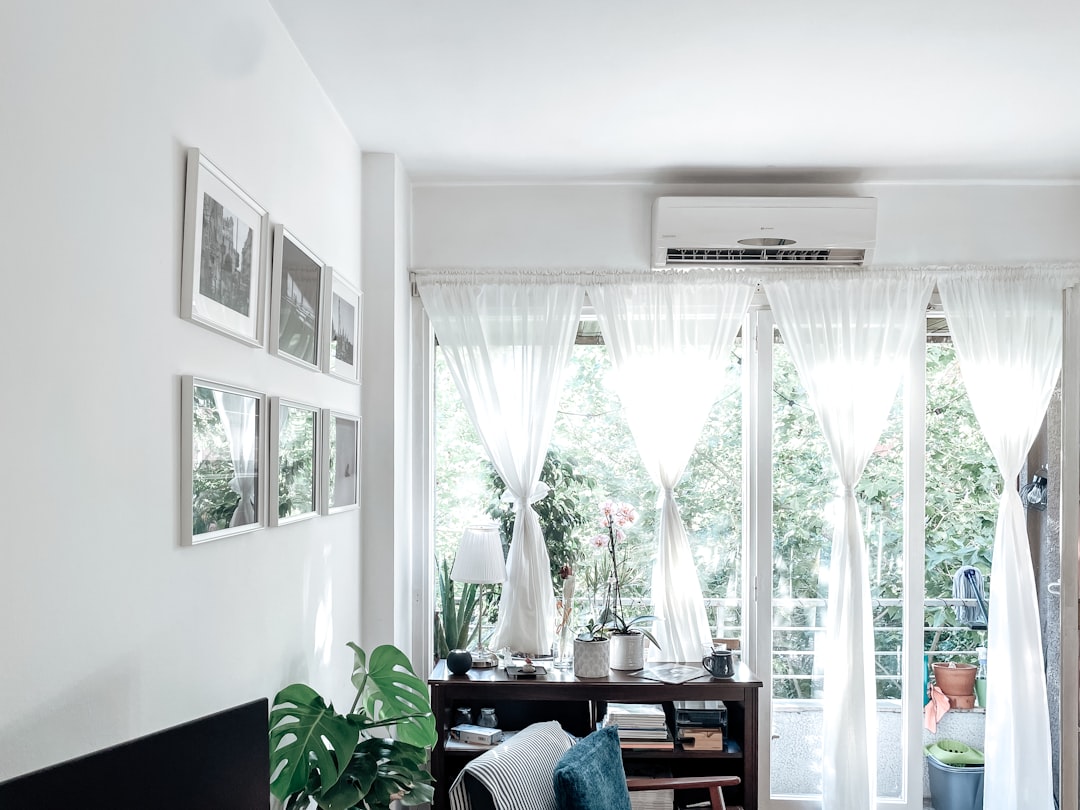
Ductless Mini-Split Systems in Pittsburgh, PA
Overview
Ductless mini-split systems are a practical solution for Pittsburgh homes that lack ductwork, have an addition, or need room-by-room temperature control. Weidner installs Carrier ductless systems with clean, unobtrusive line sets and whisper-quiet operation.
A mini-split installation involves an outdoor compressor unit and one or more wall-mounted indoor heads connected by a small refrigerant line — no duct renovation required. Gerald assesses the space, recommends the right number of zones and capacity for Pittsburgh's heating and cooling loads, and routes line sets in a way that minimizes visual impact on finished rooms. Carrier ductless systems offer both heating and cooling in a single unit, which makes them well-suited for Western Pennsylvania's shoulder seasons when a full system would be excessive but comfort still matters.
What's included
- No ductwork required
- Heating and cooling combined
- Room-by-room control
- Quiet operation
If part of your home never quite gets comfortable, a ductless mini-split system is often the most practical fix. These Carrier systems heat and cool individual rooms or zones without requiring you to open up walls and route new ductwork, which makes them a strong fit for Pittsburgh homes where that kind of work is either cost-prohibitive or structurally difficult. Gerald Fabiszewski at Weidner Heating & Air Conditioning handles system design, installation, and ongoing service for single-zone and multi-zone configurations throughout the Pittsburgh area.
A ductless system works by pairing a compact outdoor unit with one or more wall-mounted indoor units. Refrigerant lines run through a small penetration in the wall, so the disruption is minimal compared to a traditional forced-air retrofit. Modern Carrier mini-splits also operate as heat pumps, providing both heating and cooling from one system, with efficiency ratings that hold up well even as Pittsburgh temperatures drop.
What a Ductless Mini-Split Installation Actually Covers
The work starts with a site visit to assess the space, determine the right capacity, and decide where the indoor and outdoor units will go. Placement matters: the indoor head needs to distribute air evenly without drafts, and the outdoor unit needs adequate clearance and a stable mounting surface. From there, Gerald handles the full installation, including electrical work coordination, refrigerant line routing, condensate drainage, and system commissioning. Before leaving, he verifies that every zone is heating or cooling correctly and walks you through the controls.
Spaces Where a Mini-Split Makes the Most Sense
A ductless system becomes worth considering when your central system simply does not reach a space, or when extending it would cost more than the space justifies. Finished attics, room additions, detached garages turned into workshops or gyms, and basement rec rooms are common situations. So are older homes where the existing ductwork was never designed to condition the whole house evenly. If one room runs 10 degrees warmer than the rest in July, or stays cold no matter what the thermostat says in February, that is a real problem a mini-split can solve without touching the rest of your system.
Why Pittsburgh's Housing Stock Shapes How These Systems Get Installed
Pittsburgh's older homes, many built before 1960, were designed around radiators and boilers, not forced air. When those homes got central air added later, it was often shoehorned in, leaving certain rooms underserved. A brick colonial in Shadyside or a cape cod in Ross Township typically has tight attic space, thick walls, and floor plans that do not lend themselves to adding duct branches. A ductless system sidesteps that entirely. Pittsburgh's climate also pushes these systems hard: winter design temperatures near 5 to 7 degrees Fahrenheit mean you need a system rated for low-ambient heating, not just a standard unit pulled off a truck. Carrier's cold-climate heat pump technology is built to handle those conditions, and Gerald selects equipment with that in mind.
What to Expect When You Call
Gerald will come out, look at the space, and give you a free estimate that breaks down equipment and labor before any work begins. There are no surprise line items added after the fact. Because this is a licensed and insured operation familiar with Pittsburgh's permitting process, any required permits are handled as part of the job, not passed off to you to figure out. Scheduling is straightforward, and Gerald works around your availability rather than giving you a four-hour window and hoping for the best. If you have questions about how the system will perform in your specific space or how it compares to other options, he will answer them directly.
Pricing
Call for a free estimate
Pricing is confirmed during your initial consultation and may vary based on your specific situation and scope of work.
Request a Free Estimate (412) 931-7300Common questions
- How many indoor units can one outdoor unit support, and how do I know what my home needs?
- Multi-zone mini-split systems can typically support anywhere from two to five or more indoor heads from a single outdoor unit, depending on the equipment and the load of each space. The right configuration depends on room size, insulation, window exposure, and how the home is used. Gerald sizes the system during the estimate visit rather than guessing from square footage alone, so you get a setup that handles your actual heating and cooling demand without overspending on capacity you do not need.
- Will a mini-split actually keep a room warm when Pittsburgh gets into the single digits?
- Standard heat pumps lose efficiency and heating output as temperatures drop, but Carrier's cold-climate mini-split models are rated to deliver meaningful heat output even below 0 degrees Fahrenheit. Pittsburgh winters regularly push down to the 5 to 10 degree range, so equipment selection matters. Gerald specifies units appropriate for Western PA's climate, not just whatever happens to be in stock.
- Do I need an electrician, or does Weidner handle the electrical side of the installation?
- Most mini-split installations require a dedicated circuit, which means electrical work is part of the project scope. Gerald coordinates that work as part of the installation process and will let you know during the estimate visit exactly what is needed. If your panel needs an upgrade to support the new circuit, he will tell you upfront rather than letting it come up as a surprise on installation day.
- Can a mini-split replace my existing heating system, or does it work alongside it?
- In most Pittsburgh homes, a ductless system works best as a supplement to an existing furnace or boiler rather than a full replacement, particularly in spaces the central system does not reach well. That said, for a room addition, converted garage, or finished attic that has no existing HVAC connection at all, a mini-split can be the primary and only system for that zone. Gerald will give you an honest read on which approach makes sense for your specific situation.
Ready to Sort Out Your Heating or Cooling
Call Weidner Heating & Air Conditioning to schedule a free estimate or same-day service, and Gerald will walk through your system personally before recommending anything.